 CLICK HERE FOR PODCAST
25 Mar Staging Your Home: 8 Tips to Sell Faster in St. Louis
Staging advice written for the whole country assumes an open-plan house with a two-car garage and no basement. St. Louis is not that. Our housing stock runs from 1890s brick flats in Soulard to 1920s bungalows in South City, mid-century ranches in Crestwood and Affton, and new construction in St. Charles County, and buyers bring different expectations to each. Here are eight things we tell sellers to do, in the order we would do them.
1. Stage to the house’s era, not against it
Buyers who tour a 1925 brick bungalow in Lindenwood Park or Tower Grove South are there for the woodwork, the built-ins, and the leaded glass. Clear the mantel, take the curtains off the stained-glass windows, and pull furniture off the walls so the trim shows. Buyers who tour a 1955 ranch in Crestwood or Affton want to see the one-level layout and the yard, so open every interior door and keep sightlines from the front door to the back window clear. In a St. Charles County subdivision, the competition is the builder’s model home a mile away, so the standard is clean, bright, and empty enough to feel new.
Whatever the era, remove the rugs that cover hardwood. St. Louis buyers will lift a corner to check anyway.
2. Make the basement a room, not a warning
Nearly every home in the region has a basement, and it is the space buyers worry about most. Run a dehumidifier, paint the block or stone walls if they are bare, put in bright LED bulbs, and clear the floor so the walls and the corners are visible. If it is finished, furnish it as one thing: a family room, an office, a gym. If it is unfinished, sweep it, stack the storage on shelves along one wall, and label the electrical panel. Buyers judge the whole house by how the basement looks and smells.
3. Fix the outside first
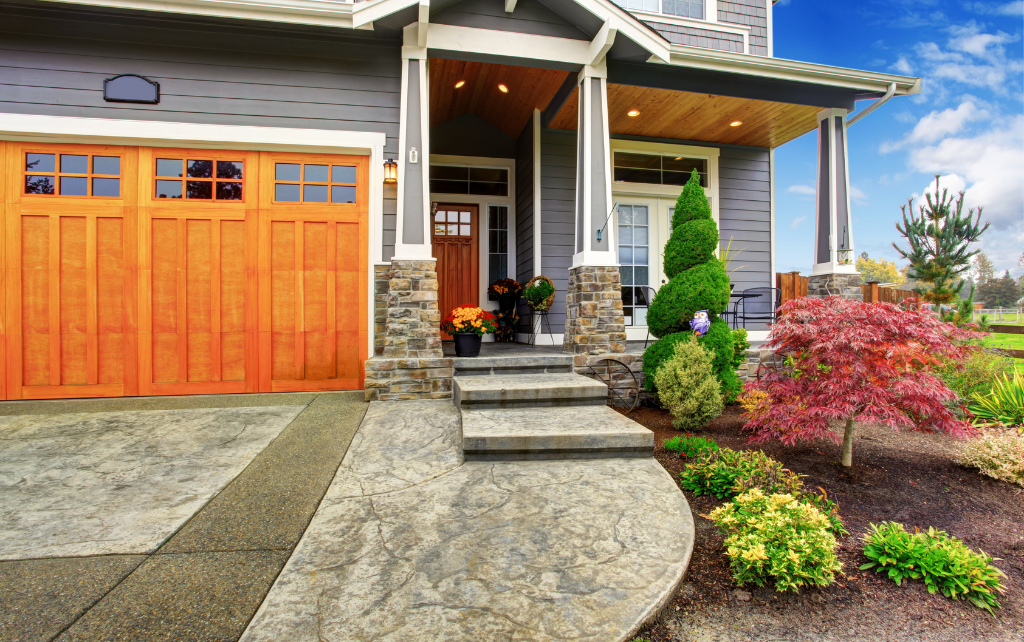
Curb appeal in St. Louis is mostly about brick and trim. Have the tuckpointing looked at if the mortar is crumbling, because buyers and inspectors spot it from the sidewalk. Paint the trim and the front door, replace a sagging storm door, put new house numbers up, and clean the gutters. On a bungalow, the front porch is a room: sweep it, add one chair and a plant, and make sure the porch light works. On a ranch, edge the beds and trim the shrubs below the windows so the house does not look like it is hiding.

4. Declutter, depersonalize, and neutralize the paint
Everyone knows this step and few do enough of it. Take out a third of the furniture. Box up the family photos, trophies, and collections. Clear every counter down to one or two items. Repaint any strong-colored room in a warm white or light greige, which reads well in both old and new St. Louis homes. Rent a storage unit for the duration, because a full basement or garage undoes the work you did upstairs.
5. Get the light right
Old St. Louis houses are often deep and narrow, with windows only at the front and back and a dim middle room. Put the brightest bulbs the fixtures allow in every room, all the same color temperature, and turn every light on for showings and photos. Add a floor lamp in any room without an overhead fixture. Clean the windows inside and out, and take down heavy drapes. In a ranch, open the blinds to the backyard, because the yard is a big part of what a ranch buyer is paying for.
6. Handle the inspection before the buyer does
Two inspections matter here. First, consider a pre-listing home inspection, especially on a home built before 1970, so you can fix or disclose the sewer lateral, the electrical panel, and the roof before they become negotiating points. Second, know whether your municipality requires an occupancy inspection on sale. The City of St. Louis requires a Certificate of Inspection before a buyer can occupy the home, and the application fee is $120 according to the City’s Building Division. University City requires an occupancy permit before anyone moves in and charges $80 per unit for the home-sale inspection. Florissant runs its occupancy inspections through its online permit portal. Under the Missouri REALTORS contract, the seller orders and pays for that inspection, so scheduling it early keeps your closing date intact and lets you fix the smoke detectors and handrails before the buyer’s inspector writes them up.
7. Spend money where it moves the needle
Staging does not have to be expensive. The National Association of REALTORS’ 2025 Profile of Home Staging reports a median cost of $1,500 when sellers used a staging service and $500 when the listing agent handled it, and 83 percent of buyers’ agents said staging made it easier for buyers to picture the home as their own. The same report found buyers cared most about the living room, the primary bedroom, and the kitchen. So if you stage only part of the house, stage those three. A vacant home is where professional staging earns its cost; empty rooms in a 1920s house look smaller than they are, and empty rooms in new construction look like the builder’s spec home without the upgrades.
8. Meet the photo and video standard
Almost every St. Louis buyer sees your house on a phone before deciding whether to tour it. The standard now is professional photos of every room, a floor plan, and a short walk-through video or 3D tour. Shoot after the staging is done, on a bright day with every light on, and shoot the exterior in early morning or evening light so the brick has color. Review the photo order with your agent before the listing goes live; the first five images decide whether the buyer keeps scrolling.

Where to start
Do the outside and the basement first, because those are what St. Louis buyers judge hardest. Then declutter, paint, and light, and decide with your agent whether a stager for the living room and primary bedroom is worth it. Look at the listings you will compete with on Wizah’s St. Louis home search and be honest about whether yours would win the click.
Our agents walk every home before it lists and give sellers a specific, prioritized list, not a generic checklist. If you are thinking about selling in St. Louis, schedule a consultation and we will tell you which of these eight steps will actually move the needle on your street.